Market Alert: Oil Traders Re-Pricing Supply Risk as Peace Talks Collapse
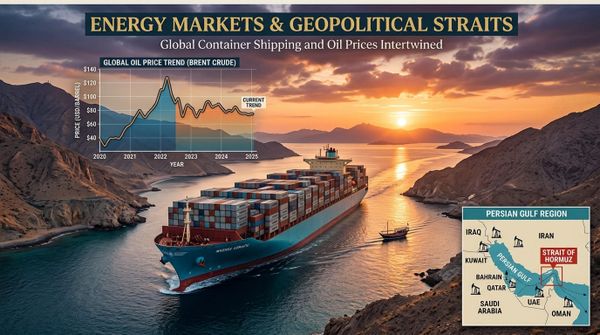
The 'peace trade' is dead. As President Trump rejects Iran's latest proposal and the Strait of Hormuz remains blocked, oil prices are heading back toward $115/bbl.

NEWS / NEWS
Market Alert: Oil Traders Re-Pricing Supply Risk as Peace Talks Collapse
The 'peace trade' is dead. As President Trump rejects Iran's latest proposal and the Strait of Hormuz remains blocked, oil prices are heading back toward $115/bbl.
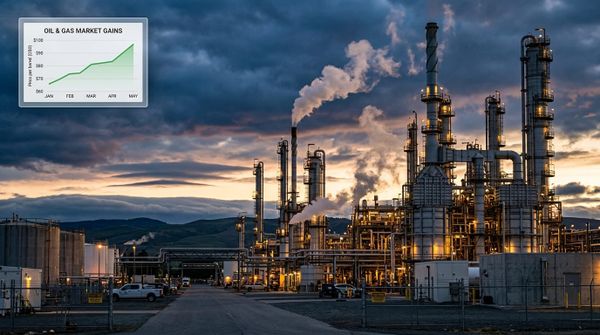
The ephemeral "peace trade" that briefly cooled global energy markets in April has officially evaporated. As of mid-May 2026, oil traders are aggressively adding back the supply risk premium, pushing Brent and WTI crude back toward the volatile $100–$115 range. The catalyst? A definitive rejection by U.S. President Donald Trump of Iran’s latest peace proposal, which he labeled "totally unacceptable."
Key Takeaways
- +IEA World Energy Outlook Update (May 2026)
- +Zaye Capital Markets: Monthly Risk Assessment
- +Fitch Ratings: 2026 Oil Price Targets
The 'Peace Trade' Failure
Throughout April, market sentiment leaned toward a de-escalation of tensions in the Middle East. Rumors of a "Strait for Sanctions" deal had many investors hoping for a reprieve. However, with the U.S. administration signaling a return to maximum pressure and Israeli PM Benjamin Netanyahu warning that the conflict is "not over," the market has realized that a quick resolution is unlikely.
As Naeem Aslam of Zaye Capital Markets recently noted, the risk isn't just about what's happening today, but the realization that the geopolitical 'cushion' is gone. When the 10-week blockage of the Strait of Hormuz is combined with the collapse of diplomatic backchannels, the only direction for the risk premium is up.
The Hormuz Chokepoint and 'Project Freedom'
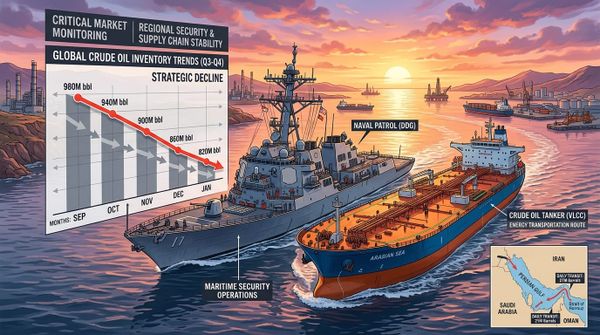
Roughly 20% of the world’s oil and a massive portion of Qatari LNG are currently trapped or being rerouted. While the U.S. has announced "Project Freedom"—a naval escort plan for commercial tankers—the market remains skeptical. Military convoys are a bandage, not a cure. The logistical overhead and the risk of accidental escalation mean that shipping will not normalize without a formal peace deal.
The UAE’s OPEC Exit: A New Frontier of Volatility
Adding fuel to the fire is the official exit of the UAE from OPEC+, effective May 1, 2026. With Abu Dhabi now pursuing production autonomy and aiming for 5 million barrels per day, the Saudi-led cartel’s ability to manage global prices has been fundamentally compromised. This fragmentation comes at the worst possible time for market stability.
A Dual-Front Conflict
It isn't just the Middle East keeping traders awake at night. In Eastern Europe, Ukrainian drone strikes on Russian refineries continue to degrade capacity, removing an estimated 300,000–400,000 barrels per day from the global pool. This "dual shock" scenario—disruptions in both the Persian Gulf and the Black Sea—is what the IEA has labeled "unprecedented," exceeding even the shocks of the 1970s.
"We are entering a phase where 'demand destruction' is the only thing that might cap prices, but with global inventories at these historic lows, even $115 oil might not be the ceiling." — Christian Rosenblum, Fox Energy
Why Trust Fox Energy
At Fox Energy, we specialize in identifying the intersection of geopolitical policy and energy market volatility. Our analysis is tailored for accredited investors who require a sober, data-driven look at supply chain disruptions and global energy security.
Sources & Further Reading
- IEA World Energy Outlook Update (May 2026)
- Zaye Capital Markets: Monthly Risk Assessment
- Fitch Ratings: 2026 Oil Price Targets
Trust & Review
- Author: Christian Rosenblum
- Reviewer: Managing Editor
- Last updated: 5/14/2026
- Workflow: hybrid