A Scorching Asian Summer: Why LNG Markets Are Bracing for a Massive Price Spike
The 'shoulder season' is over. With the Strait of Hormuz restricted and record heat hitting Asia, the global LNG market is bracing for a 50% price surge.
NEWS / NEWS
A Scorching Asian Summer: Why LNG Markets Are Bracing for a Massive Price Spike
The 'shoulder season' is over. With the Strait of Hormuz restricted and record heat hitting Asia, the global LNG market is bracing for a 50% price surge.
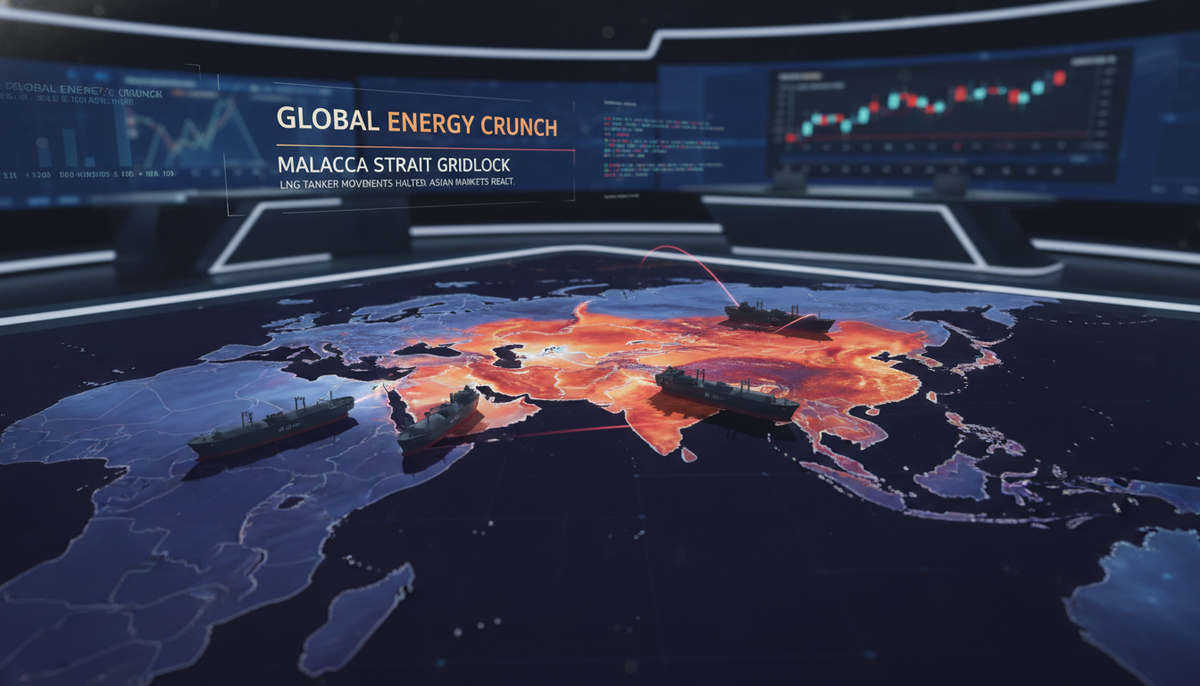
For the first few months of 2026, the energy markets enjoyed a deceptive calm. We called it the 'shoulder season'—that brief window where heating demand has faded and the air conditioners haven't quite kicked in. But as we move into May, the data coming out of Asia is flashing red. A combination of record-breaking heat and a persistent maritime blockade in the Middle East is creating a perfect storm for global liquefied natural gas (LNG) prices.
Key Takeaways
- +MST Marquee: Global LNG Outlook Report (May 2026)
- +Meteorological Service Data: El Niño Strengthening Patterns
- +Maritime Shipping Authority: Strait of Hormuz Transit Logs
The End of the False Sense of Security
If you've been watching the spot prices lately, you might think the market is stable. Don’t be fooled. That stability was a byproduct of timing, not fundamentals. As El Niño patterns strengthen, meteorologists are forecasting temperatures in Japan and Southern China to hit 1.5°C above normal—placing this summer in the top 20% of historical heat records.
This isn't just about comfort; it's about the grid. Japan is already seeing its highest spot electricity prices since 2022. When the mercury rises, the demand for gas-fired power generation spikes instantly. And this year, the buffer we usually rely on is missing.
The Hormuz Factor: 20% of Supply is Sidelined
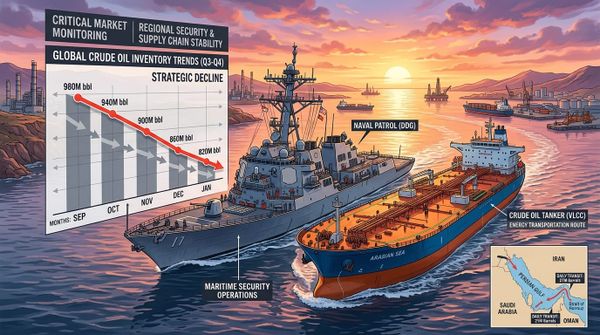
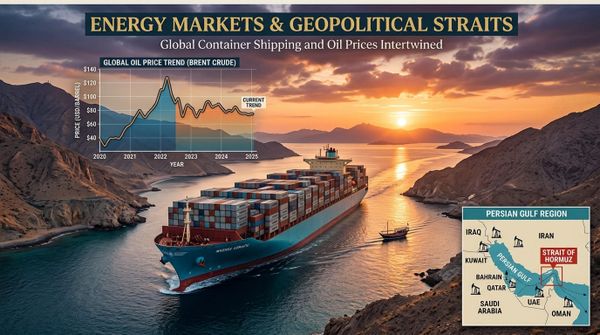
The elephant in the room remains the Strait of Hormuz. For three months, this vital maritime chokepoint has been largely restricted due to regional conflict. We are talking about 20% of the global LNG supply being choked off from the market. Until now, the market hasn't felt the full weight of this because demand was low. That grace period ends in June.
Saul Kavonic, a lead energy analyst at MST Marquee, has issued a stark warning: if these supply routes remain blocked while Asian demand surges, we could see LNG prices jump another 50% by August.
China: The Global Wildcard
China remains the world's largest LNG importer, and their demand rebound is the primary variable. While some analysts hope for heavy rainfall in the south to boost hydropower, any 'dry pockets' in the north will force China to compete aggressively for every available cargo on the spot market. This creates a global tug-of-war for energy.
The European Ripple Effect
As US LNG exporters pivot their shipments toward Asia to capture higher regional premiums, Europe is being left in a precarious position. Deliveries to the EU are already down 10%. The risk here isn't just a summer price spike; it’s the inability for Europe to replenish its inventories before the 2026–2027 winter. We are looking at a multi-season supply crunch that could trigger 'demand destruction' in emerging markets like India and Thailand, where industrial users simply cannot afford the fuel.
Investor Trust & Transparency
At Fox Energy, our mission is to provide accredited investors with boots-on-the-ground intelligence. Energy markets are volatile and involve significant risk. This analysis is based on current market data and meteorological forecasts as of May 2026. Always consult with your financial advisor before making sector-specific allocations.
Sources
- MST Marquee: Global LNG Outlook Report (May 2026)
- Meteorological Service Data: El Niño Strengthening Patterns
- Maritime Shipping Authority: Strait of Hormuz Transit Logs
Trust & Review
- Author: Jason Gilbert
- Reviewer: Founder & CEO, Fox Energy Partners
- Last updated: 5/29/2026
- Workflow: hybrid