Aramco Beats the Blockade: Q1 Profits Surge 26% Amid Hormuz Crisis
Saudi Aramco has defied the Hormuz blockade, posting a $33.6 billion profit for Q1 2026 by leveraging its massive East-West Pipeline infrastructure.
NEWS / NEWS
Aramco Beats the Blockade: Q1 Profits Surge 26% Amid Hormuz Crisis
Saudi Aramco has defied the Hormuz blockade, posting a $33.6 billion profit for Q1 2026 by leveraging its massive East-West Pipeline infrastructure.
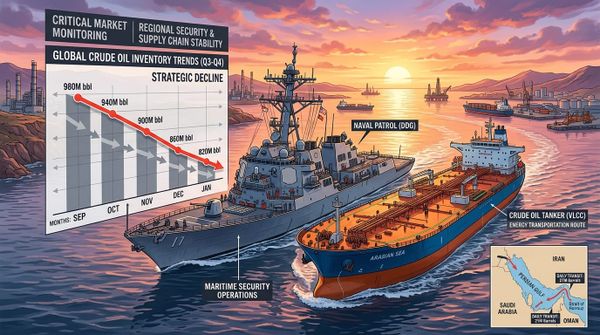
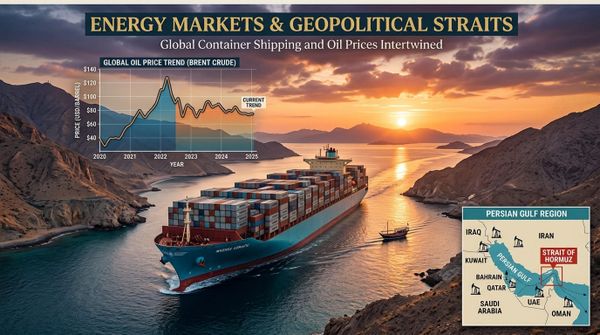
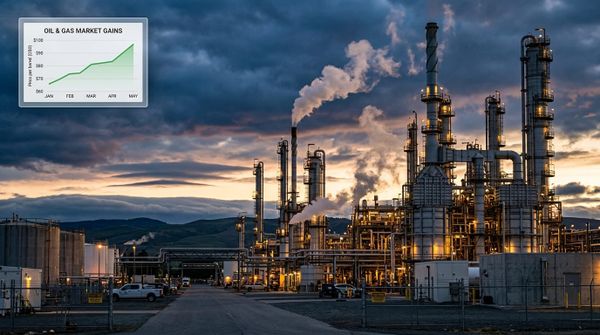
Despite the unprecedented closure of the Strait of Hormuz, Saudi Aramco has once again proven why it remains the bedrock of global energy markets. In its latest Q1 2026 earnings report, the state-owned giant announced a 26% year-on-year surge in adjusted net income, reaching a staggering $33.6 billion. While the regional geopolitical crisis has paralyzed traditional shipping lanes, Aramco’s strategic foresight in infrastructure has allowed it to maintain production stability and capitalize on Brent crude prices soaring past the $100 mark.
The Petroline Pivot: Infrastructure as Strategy
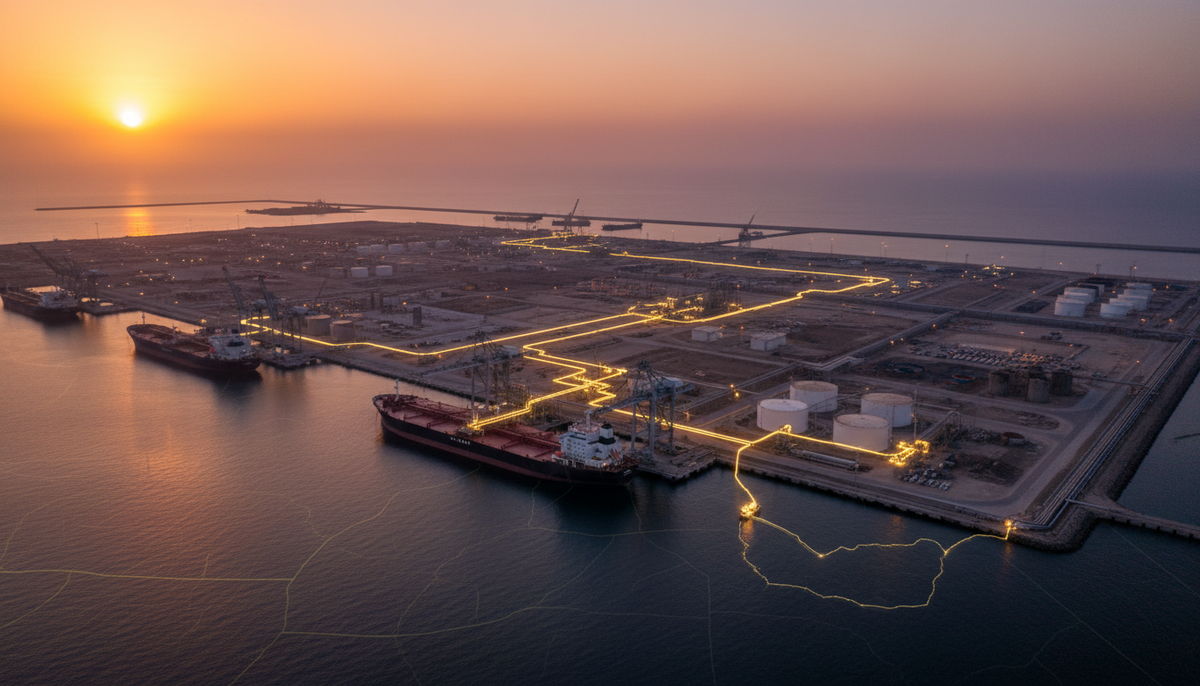
The primary driver behind these results isn't just high oil prices; it’s the company’s ability to physically move product when its neighbors cannot. With the Strait of Hormuz effectively closed to commercial traffic since late February, Aramco successfully rerouted its export flow through the East-West Pipeline, also known as Petroline. This 745-mile artery, connecting eastern production fields to the Red Sea port of Yanbu, is currently operating at its maximum capacity of 7 million barrels per day (bpd). CEO Amin Nasser characterized the feat as a "masterstroke of operational flexibility," noting that decades of investment in redundant infrastructure are now paying dividends for shareholders and the Kingdom alike.
Dividends and the Vision 2030 Engine
For accredited investors, the most critical figure remains the dividend. Aramco declared a quarterly payout of $21.9 billion. This capital is the primary fuel for Saudi Arabia’s Vision 2030 projects, managed by the Public Investment Fund (PIF). Despite the high profits, the Kingdom is navigating a widening budget deficit due to aggressive domestic spending, making these consistent Aramco payouts non-negotiable. As a founder-led insight at Fox Energy, we see this as a double-edged sword: the dividend is secure because the state requires it, but the pressure to maintain these levels may limit future R&D or green energy transitions if the crisis persists.
The Yanbu Vulnerability
While the current results are celebratory, we must maintain a cautious outlook. By shifting the bulk of its exports to the Red Sea, Aramco has centralized its risk. The port of Yanbu is now the single most important energy hub in the world. Should the conflict expand to these western shipping lanes, the "bypass strategy" would fail. Furthermore, Nasser warned that even if the Strait of Hormuz were to reopen tomorrow, the psychological and physical damage to global supply chains would take months, if not years, to fully rebalance.
The Investor's Verdict
Aramco remains the ultimate hedge against geopolitical volatility. However, the current profit surge is born of a "catastrophic" regional environment. We recommend investors monitor Red Sea security protocols closely. The company’s 2 million bpd of spare capacity is a theoretical safety net, but its utility is currently bottlenecked by the physical constraints of the Petroline. For now, Aramco is winning the logistics war, but the margin for error has never been thinner.
Trust & Review
- Author: Christian Rosenblum
- Reviewer: Managing Editor
- Last updated: 5/15/2026
- Workflow: hybrid