Iran Running Out of Oil Cargoes: The Physical Wall Hits the Persian Gulf
With Iranian floating storage down to just 4 million barrels and crude trading at a rare premium due to scarcity, the US naval blockade has hit a critical inflection point. Here is how global markets are absorbing the shock.
NEWS / NEWS
Iran Running Out of Oil Cargoes: The Physical Wall Hits the Persian Gulf
With Iranian floating storage down to just 4 million barrels and crude trading at a rare premium due to scarcity, the US naval blockade has hit a critical inflection point. Here is how global markets are absorbing the shock.
The geopolitical chess match between Washington and Tehran has officially transitioned from a war of policy to a war of physical attrition. As of August 2026, the maritime blockade in the Persian Gulf has achieved what years of paper sanctions could not: it has run the Iranian "ghost fleet" completely dry, forcing an unprecedented physical bottleneck that is reshaping global energy flows.
Executive Note from the Editor: At Fox Energy, we track physical flows, not just Wall Street speculation. In the current market, understanding logistical bottlenecks is the key to identifying resilient crude oil investing strategies. This news analysis breaks down the physical limits of the Persian Gulf blockade and what it means for your private capital. — Christian Rosenblum
The Evaporating Floating Reserve
For years, Iran bypassed direct sanctions by maintaining vast quantities of crude in offshore "floating storage" hubs, primarily near Southeast Asian transshipment points like Malaysia. This offshore buffer allowed Tehran to disguise the origin of its oil and maintain a steady, illicit supply line to China. That buffer has now vanished.
According to maritime tracking data compiled by energy analytics firms Kpler and United Against Nuclear Iran (UANI), the once-massive reserve of 40 million barrels stored near Malaysia has plummeted to just 4 million barrels. This remaining volume is barely enough to fill two Very Large Crude Carriers (VLCCs). For Asian buyers accustomed to an uninterrupted flow of shadow-market crude, the well has officially run dry.
An Unprecedented Market Inversion: From Discount to Premium
This physical squeeze has inverted the traditional pricing mechanics of sanctioned crude. Historically, China’s independent private refiners, known as "teapots," purchased Iranian oil at steep double-digit discounts to global benchmarks. Today, due to the absolute scarcity of physical cargoes, remaining Iranian barrels are being offered at a premium of approximately $4 per barrel.
This pricing inversion presents an existential challenge for Chinese teapots. Operating on razor-thin margins, these independent refiners must now decide whether to pay premium prices for highly risky, blockaded oil, or look for alternative legal supplies in an increasingly tight spot market.
The Logistics Choke and "Junk Storage" Inside Iran
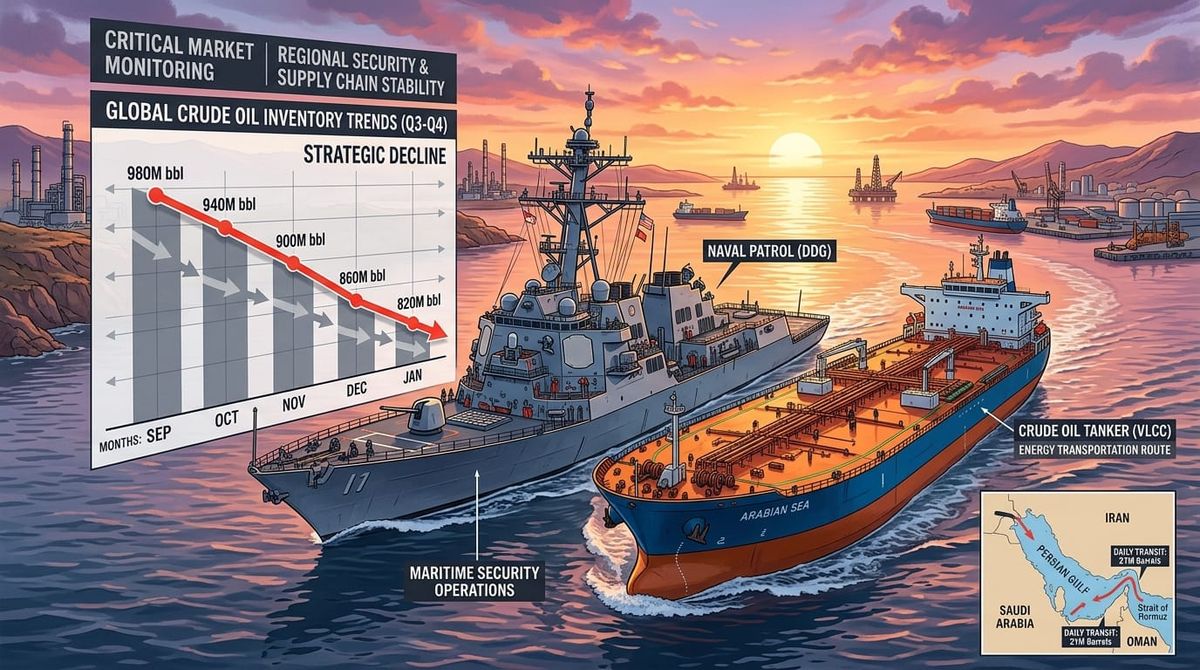
The six-month naval blockade led by the United States has successfully strangled Iranian maritime loadings to roughly one-seventh of their pre-war levels. The economic consequences within Iran are already severe. Central Bank Governor Abdolnaser Hemmati recently made a rare public acknowledgment, admitting that the country's oil exports have essentially collapsed, sending the domestic currency plummeting past 2 million rials per dollar.
Because Iran cannot ship its oil out of the Gulf, production is backing up rapidly. Oil fields cannot simply be turned off without risking permanent structural damage to the reservoirs. With domestic onshore storage facilities completely full, Iranian operators have resorted to desperate measures:
- Utilizing derelict, uncertified container vessels as improvised "junk storage" at domestic ports.
- Using inland rail networks to transport minor quantities of crude overland to China—an incredibly inefficient and expensive alternative to maritime shipping.
- Shutting in marginal wells where the physical storage limit has been absolutely exceeded.
Why Global Oil Prices Haven't Skyrocketed
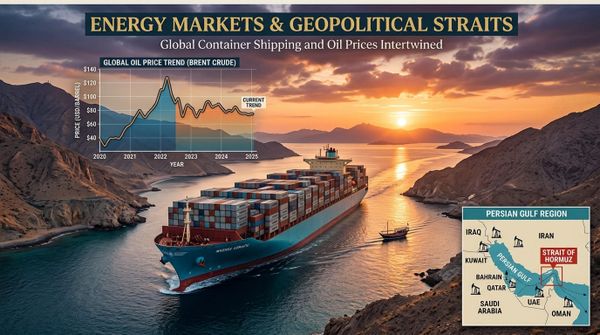
For accredited investors monitoring the geopolitical risk premium, the most surprising aspect of this blockade is the stability of global benchmarks. Despite nearly 45% of global oil flows originating from or near active conflict zones, Brent and WTI crude remain highly stable, trading comfortably between $85 and $90 a barrel.
This stability is the result of aggressive infrastructure redundancy implemented by Iran's Gulf neighbors. Saudi Arabia and the United Arab Emirates have successfully bypassed the volatile Strait of Hormuz. By utilizing overland pipelines—specifically Saudi Arabia’s East-West Pipeline and the UAE's Habshan-Fujairah line—these nations are routing millions of barrels per day directly to terminal ports on the Red Sea and Gulf of Oman, keeping global markets liquid and neutralising what would otherwise be a severe supply shock.
The Coming Climax: Scott Bessent’s "Economic D-Day"
The physical shipping crisis is set to collide with a financial one. Washington is currently preparing the next phase of its economic campaign. Led by Treasury Secretary Scott Bessent, the U.S. is coordinating an upcoming "Economic D-Day" designed to target the secondary financial networks that facilitate the remnants of Iran’s oil trade.
Rather than chasing tankers at sea, these upcoming sanctions are aimed directly at the Chinese regional banks that clear transactions for the "teapot" refiners. If these banks are cut off from the SWIFT system and U.S. dollar clearing, the financial machinery supporting the shadow trade will dissolve entirely, locking Iran out of its last remaining source of hard foreign currency.
Strategic Takeaways for Energy Investors
As the physical and economic walls close in on Tehran, the implications for domestic oil and gas investors are clear. The depletion of Iranian cargoes means that global spare capacity is tighter than paper markets currently suggest. Any sudden disruption to the Saudi or UAE bypass pipelines could trigger an immediate upward price correction.
For private investors, this reinforces the strategic value of domestic oil and gas partnerships. Securing stable, onshore U.S. production remains the single best hedge against a global energy landscape that is increasingly defined by blockades, physical infrastructure bottlenecks, and structural supply depletion.
Data Sources & Intelligence: This market briefing is synthesized from maritime tracking data provided by Kpler and United Against Nuclear Iran (UANI), public statements from the Iranian Central Bank, and active pipeline throughput reports from the Red Sea and Gulf of Oman terminal authorities.
Key Takeaways
- +Utilizing derelict, uncertified container vessels as improvised "junk storage" at domestic ports.
- +Using inland rail networks to transport minor quantities of crude overland to China—an incredibly inefficient and expensive alternative to maritime shipping.
- +Shutting in marginal wells where the physical storage limit has been absolutely exceeded.
Trust & Review
- Author: Christian Rosenblum
- Reviewer: Managing Editor
- Last updated: 8/25/2026
- Workflow: hybrid
Sources
Related Coverage
- USA Strategic Petroleum Reserve Hits 1983 Lows: What 56 Percent Empty Means for Investors
- Brent Jumps on Renewed Iran Clash: Markets Brace for $100+ Crude
- Why Oil Prices Just Fell Below $100: Analysts Weigh In on the Iran Deal and OPEC’s Fracture
- Who’s Winning the War? The Countries Profiting From the Iran Oil Shock